Myofunctional Therapy
Myofunctional therapy helps retrain the muscles of the mouth and face to support healthy breathing, proper development, and lifelong wellness.

Myofunctional Therapy
Myofunctional therapy helps retrain the muscles of the mouth and face to support healthy breathing, proper development, and lifelong wellness.

- Infant and Toddler First Time Visit
- Dental Exams
- Dental Cleanings
- Dental Emergencies
- Digital Dental Xrays
- Preventative Dentistry
- Minimally Invasive Dentistry
- Space Maintainers
- Tooth Colored Fillings
- Dental Crowns
- Nerve Treatments
- Sedation Dentistry
- Special Needs Dentistry
- Sports Mouthguards
- Tooth Extraction
What Is Myofunctional Therapy?
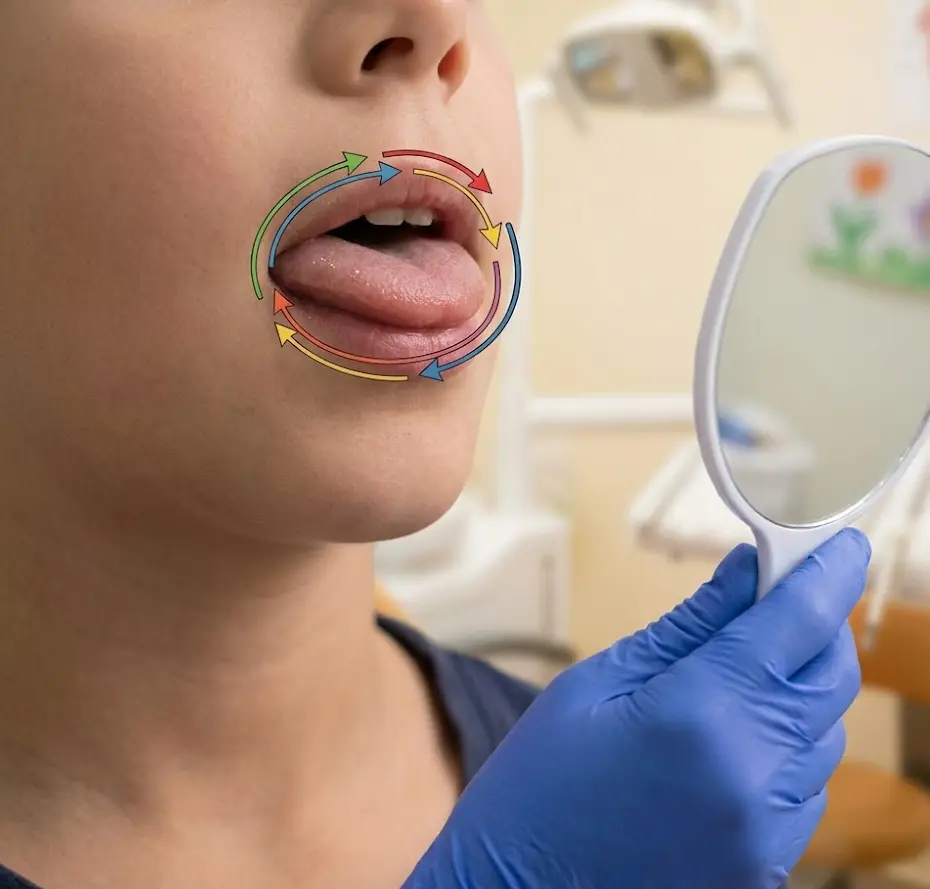
Myofunctional therapy is a program of simple, guided exercises that retrain how the tongue, lips, and facial muscles function.
Think of it as physical therapy for the mouth and airway.
It helps children learn to:
- Breathe through their nose
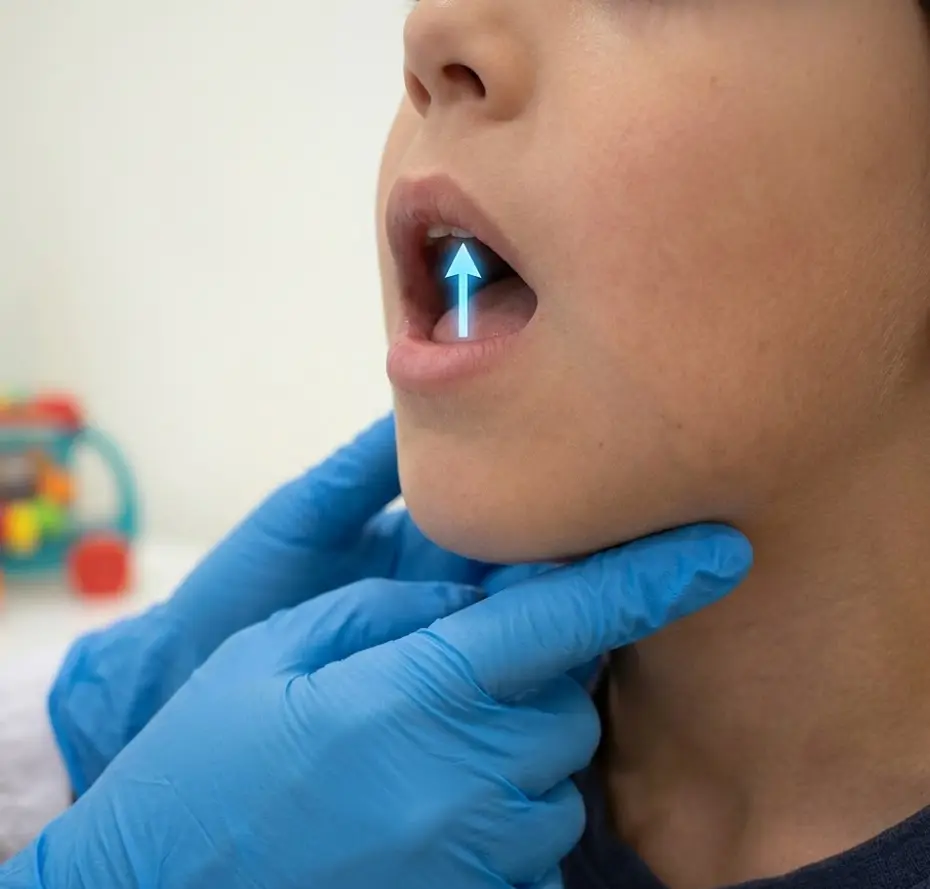
- Rest their tongue on the roof of the mouth
- Swallow properly
- Develop balanced muscle function
When these patterns are correct, the body can function more harmoniously.
Why It Matters (Root Cause vs Symptoms)
Many things we see in children today are common—but not normal.
- Mouth breathing
- Snoring
- Teeth grinding
- Restless sleep
- Difficulty focusing
- Crowded teeth
These are often signs that something deeper is going on.
👉 Myofunctional therapy focuses on the root cause, not just the symptoms.
When we improve breathing, muscle function, and tongue posture:
- Sleep improves
- Growth improves
- Behavior often improves
- Overall health follows
What Are Myofunctional Exercises?
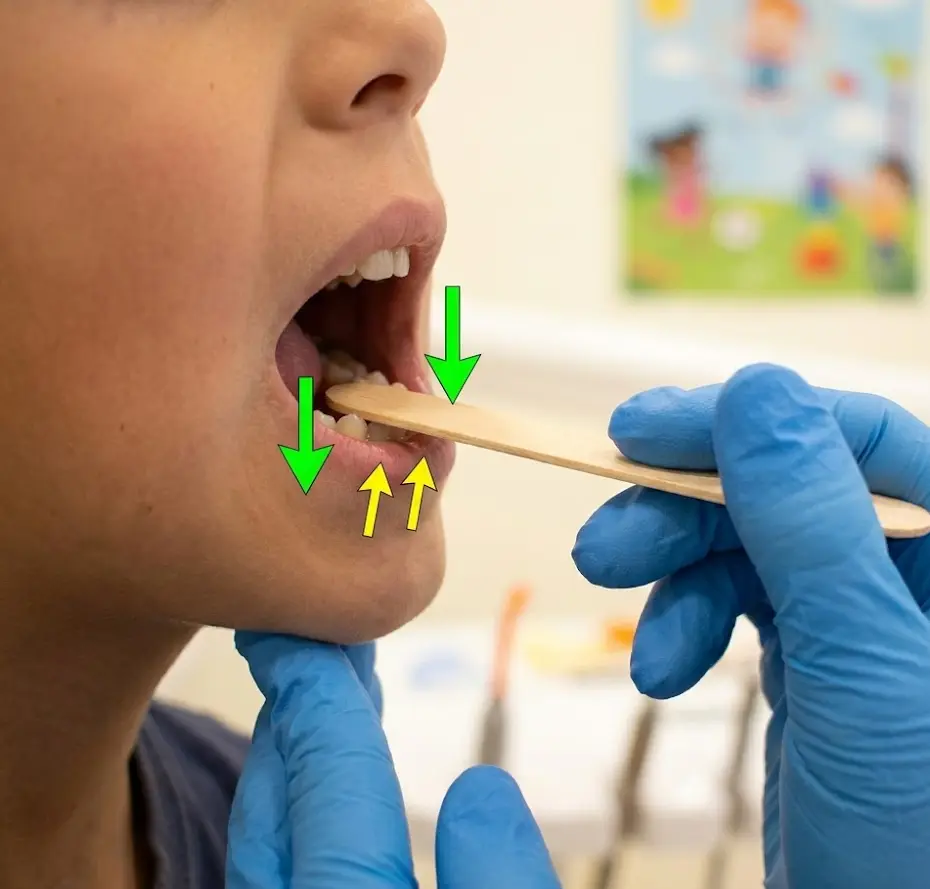
These are simple, age-appropriate exercises that gently retrain oral muscles.
Examples include:
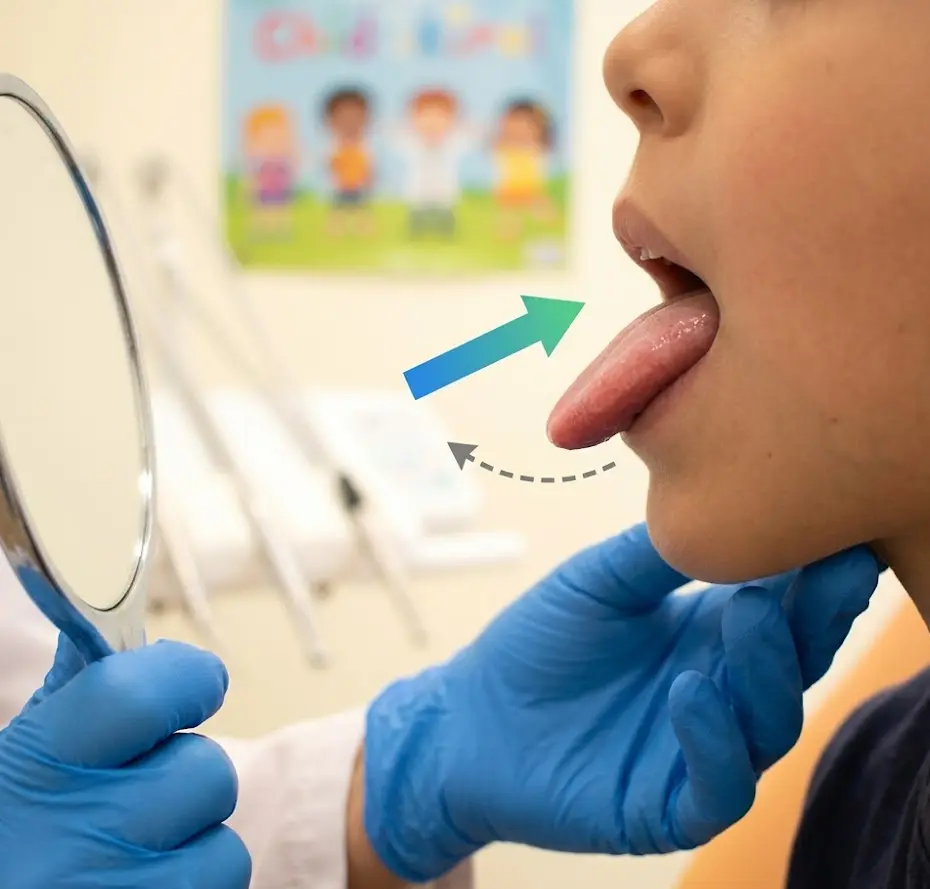
- Tongue strengthening and elevation
- Lip seal exercises
- Nasal breathing training
- Swallow correction
- Posture awareness
🕒 Most exercises take just a few minutes a day—but consistency is everything.
Therapy vs. Tongue Tie Release
Not Every Child Needs a Release
A common misconception is that every tongue or lip tie requires a procedure.
👉 That’s not always true.
In many cases:
- The issue is how the muscles are functioning, not just anatomy
- The tongue may have the ability—it just hasn’t learned how to function properly
✅ Sometimes therapy alone is enough to:
- Restore proper tongue posture
- Improve nasal breathing
- Correct swallowing patterns
Why Therapy Comes FIRST
If a release is needed, therapy is essential before the procedure.
Before a release, therapy helps:
- Strengthen the tongue
- Teach proper movement
- Prepare the body for success
👉 Without preparation, the tongue may still not function correctly after the release.
Why Therapy Is Needed AFTER a Release
A release creates mobility—but it does not create function.
After a release, therapy helps:
- Prevent reattachment
- Retrain proper movement
- Establish correct tongue posture
- Reinforce nasal breathing
👉 Without therapy, old habits often return.
How Long Does Therapy Take?
Every child is unique, but most programs include:
- 8–16 weeks of active therapy
- Weekly or biweekly visits
- Daily home exercises (just a few minutes)
- Follow-up support
💡 The biggest factor in success? Consistency at home
Our Philosophy
We don’t just treat teeth—we look at the whole child.
Because when a child:
- Breathes well
- Sleeps well
- Uses their muscles properly
👉 The body begins to function in balance.
And when the foundation is right… everything else can follow.
When Should You Consider an Evaluation?
If your child has:
- Mouth breathing
- Snoring or restless sleep
- Frequent fatigue
- Picky eating
- Speech concerns
- Grinding teeth
- Difficulty focusing
It may be time for a deeper look.
Pediatric Dental Exams Near Me
Contact Coppell Pediatric Dentistry in Coppell, TX to learn more about dental exams and how they can help improve your child's oral health. Dr. Karen and her exceptional team look forward to working alongside you to ensure your child enjoys healthy smiles for a lifetime. Call us today!