
Tongue Tie and Lip Tie in Infants and Children
Tongue Tie and Lip Tie in Infants and Children

- Infant and Toddler First Time Visit
- Dental Exams
- Dental Cleanings
- Dental Emergencies
- Digital Dental Xrays
- Preventative Dentistry
- Minimally Invasive Dentistry
- Space Maintainers
- Tooth Colored Fillings
- Dental Crowns
- Nerve Treatments
- Sedation Dentistry
- Special Needs Dentistry
- Sports Mouthguards
- Tooth Extraction
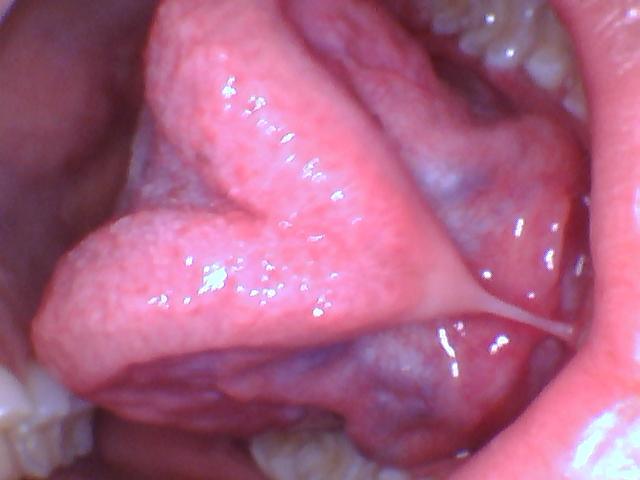
What Are Tongue and Lip Ties?
Many infants and children experience feeding, breathing, or oral development challenges caused by tongue ties or lip ties. These oral restrictions can affect how the tongue and lips move, which may impact breastfeeding, speech development, sleep quality, and overall oral function.
At our office, we evaluate oral restrictions and provide gentle treatment using a LightScalpel CO₂ laser when necessary to help restore proper movement and support healthy development.
Our goal is not only to care for teeth, but to support healthy breathing, feeding, and facial development for growing children.

Frequently Asked Questions About Tongue and Lip Ties
What causes tongue ties or lip ties?
Tongue and lip ties occur when the frenulum (the small band of tissue) under the tongue or inside the lip is unusually tight, thick, or short. We all have one but in about 15-20 % of babies that frenum separation process from the tongue is disrupted in utero leading to a short frenulum These conditions are present at birth and may run in families.
How common are tongue ties?
Tongue ties occur in approximately 15- 20% of newborns. Many cases are mild, but when the restriction interferes with feeding, breathing, or oral development, treatment may be recommended.
Does every tongue tie need treatment?
No. Some children have a frenulum that looks tight but functions normally. Treatment is only recommended when the restriction causes functional problems such as feeding difficulty, oral discomfort, breathing issues, or speech concerns.
Is the procedure painful for babies?
The procedure is very quick and gentle. Because we use a CO₂ laser, there is minimal bleeding and reduced discomfort compared with traditional surgical techniques.
Most infants can feed immediately after the procedure, which also helps soothe them.
How long does the procedure take?
The actual laser release typically takes less than a minute. The entire appointment is usually 30 -45 minutes, including assessment questions and instructions for parents.
Why are stretching exercises important?
After the release, the body naturally wants to heal the tissue back together. Gentle stretching exercises help ensure:
- Proper healing
• Improved tongue mobility
• Prevention of reattachment
We will demonstrate exactly how to perform these stretches.

What to Expect at Your Child’s Appointment
- Comprehensive Evaluation
We evaluate:
- Tongue mobility
• Lip movement
• Feeding patterns (recommended to be done by a IBCLC)
• Breathing patterns
• Oral development
• Symptoms reported by parents
If a restriction is affecting function, we will discuss treatment options with your family.
- Gentle Laser Release
If treatment is recommended, we perform the release using the LightScalpel CO₂ laser.
The procedure:
- Takes only seconds
• Causes minimal bleeding
• Requires no stitches
• Allows precise treatment
Infants are usually able to breastfeed immediately after the procedure.
- Healing and Follow-Up Care
To ensure the best outcome, we schedule two follow-up visits.
1 Week Follow-Up
We check healing and ensure proper tongue movement.
4 Week Follow-Up
We confirm full healing and evaluate improvements in function.
These visits are an important part of achieving the best long-term results.
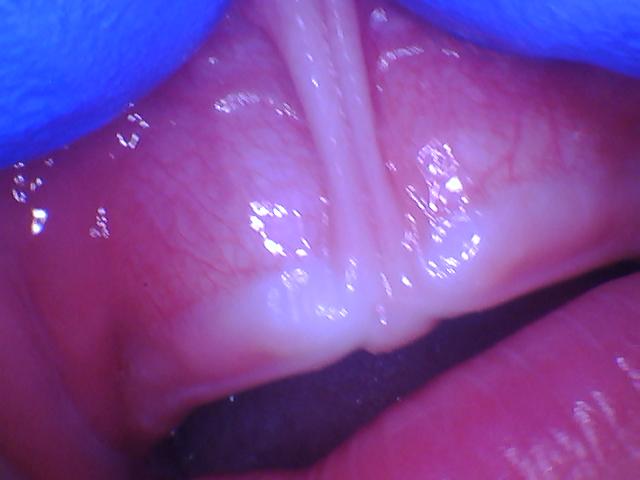
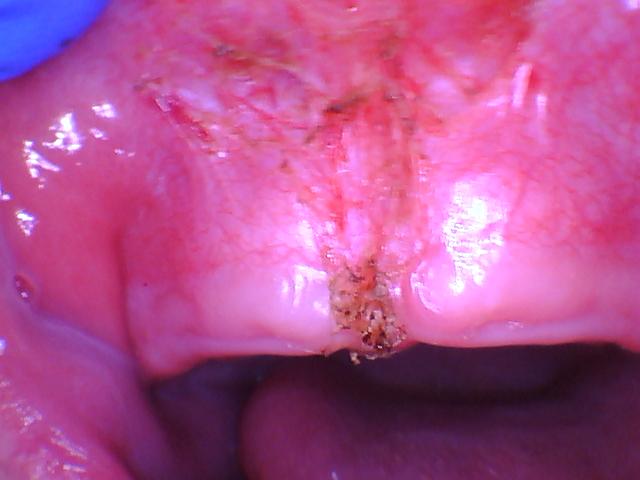
Pediatric Dental Exams Near Me
Contact Coppell Pediatric Dentistry in Coppell, TX to learn more about dental exams and how they can help improve your child's oral health. Dr. Karen and her exceptional team look forward to working alongside you to ensure your child enjoys healthy smiles for a lifetime. Call us today!